

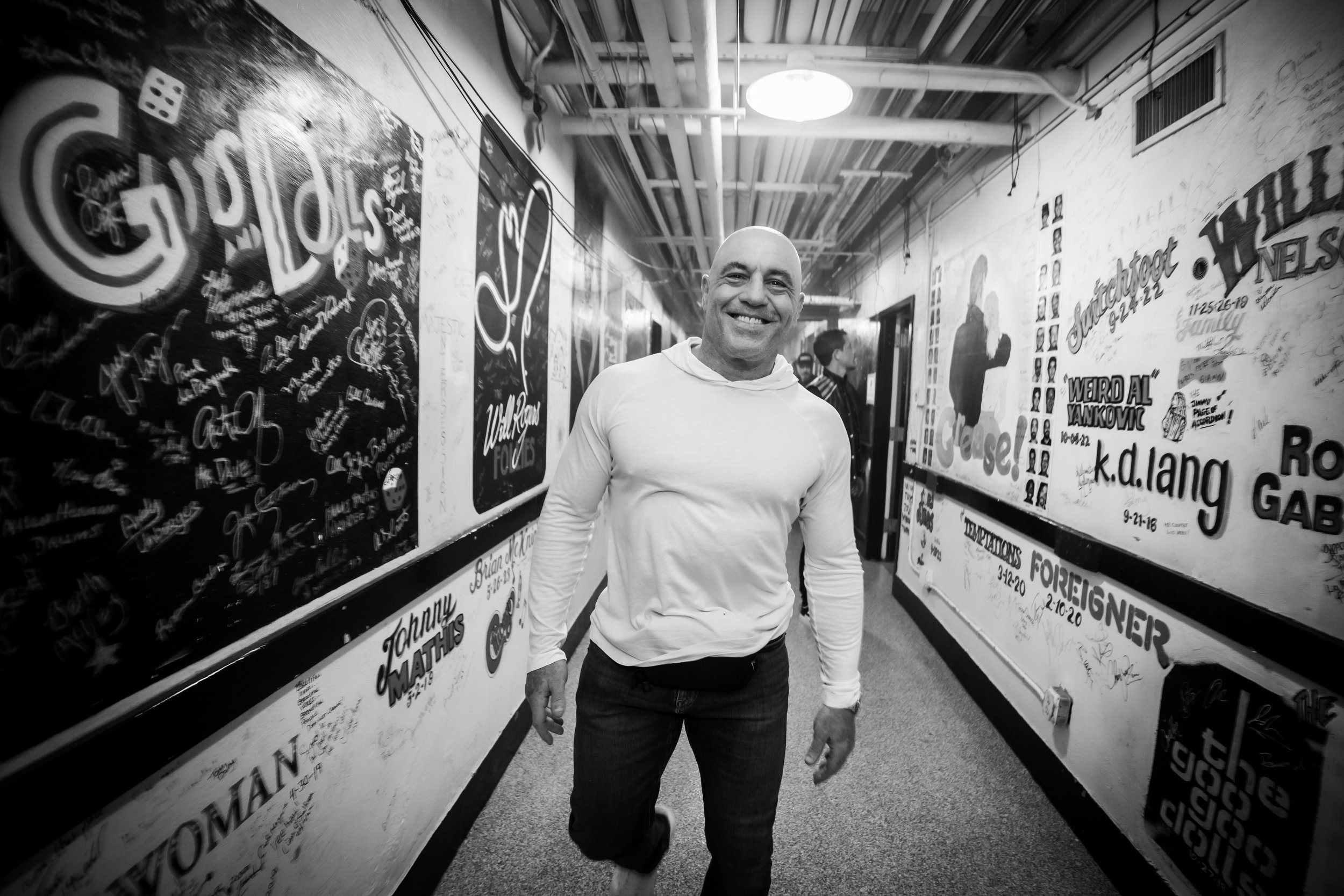
Today, August 11, marks the birthday of one of the most influential figures in modern combat sports history, Joe Rogan.
Long before he was the host of the world’s biggest podcast or the familiar voice echoing through sold-out arenas on UFC pay-per-views, Rogan was a dedicated, hard-hitting martial artist. Over the past four decades, his trajectory, from teenage striking prodigy to comedy star, elite BJJ black belt, and combat sports ambassador, has left an indelible mark on how mixed martial arts is practiced, understood, and consumed worldwide.
On his birthday, we look back at the journey of a man who helped build the soundtrack and culture of modern fighting.
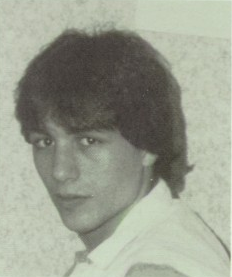
Early Life And The Flame Of Martial Arts
Born in Newark, New Jersey, in 1967, Rogan experienced a chaotic early childhood, moving across several states before settling in Massachusetts during his teenage years. Like many young fighters, his initial dive into martial arts was driven by a need for self-defense and confidence.
At age 14, Rogan picked up Karate, but it was Taekwondo that quickly transformed into an obsession. The rigid discipline, intense conditioning, and explosive kicking dynamics offered a sense of control and purpose. Within a year of stepping onto the mats, Rogan earned his black belt.
The Taekwondo Phenom & Striking Roots
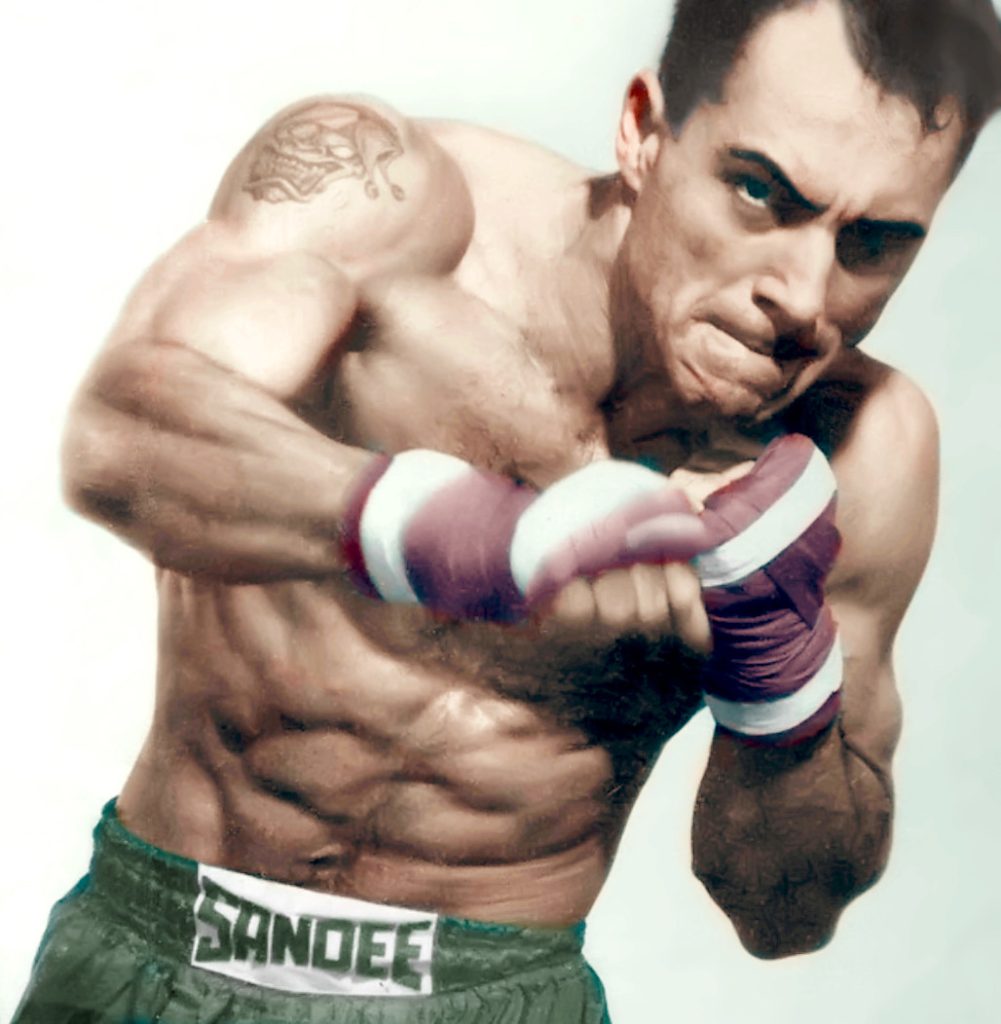
In the mid-to-late 1980s, Rogan wasn’t just practicing martial arts, he was dominating full-contact competition.
- State Champion: For four consecutive years, Rogan reigned as the Massachusetts full-contact Taekwondo champion.
- US Open Grand Champion: At just 19 years old, Rogan captured the US Open Taekwondo Championship in the lightweight division. He then famously went on to defeat both the middleweight and heavyweight titleholders to secure the tournament’s overall Grand Championship.
Rogan developed a legendary spinning back kick, a strike so powerful and mechanically refined that decades later, elite UFC fighters like Georges St-Pierre would actively seek out Rogan’s coaching to polish their own technique.
Despite a brief 2-1 stint in amateur kickboxing, Rogan walked away from competitive striking at age 21. Plagued by chronic headaches and an early awareness of brain injury risks long before CTE became a mainstream conversation in sports, he pivoted away from full-contact striking competition.
Comedy, Hollywood, And The Spotlight
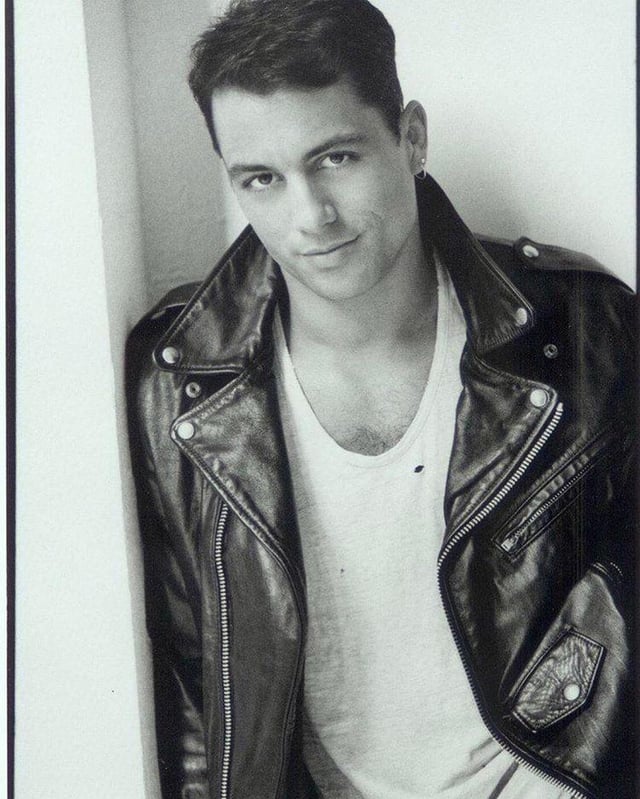
Stepping off the competition canvas, Rogan redirected his relentless drive into stand-up comedy. Relocating to Los Angeles, his work ethic on stage paid off, landing him acting roles on sitcoms like Hardball and NewsRadio in the late 1990s. By the early 2000s, he became a household name as the host of NBC’s hit reality series Fear Factor.
Yet despite television fame, Rogan never lost his obsession with martial arts. It was only a matter of time before his two worlds collided.
The Rise Of The Octagon Analyst
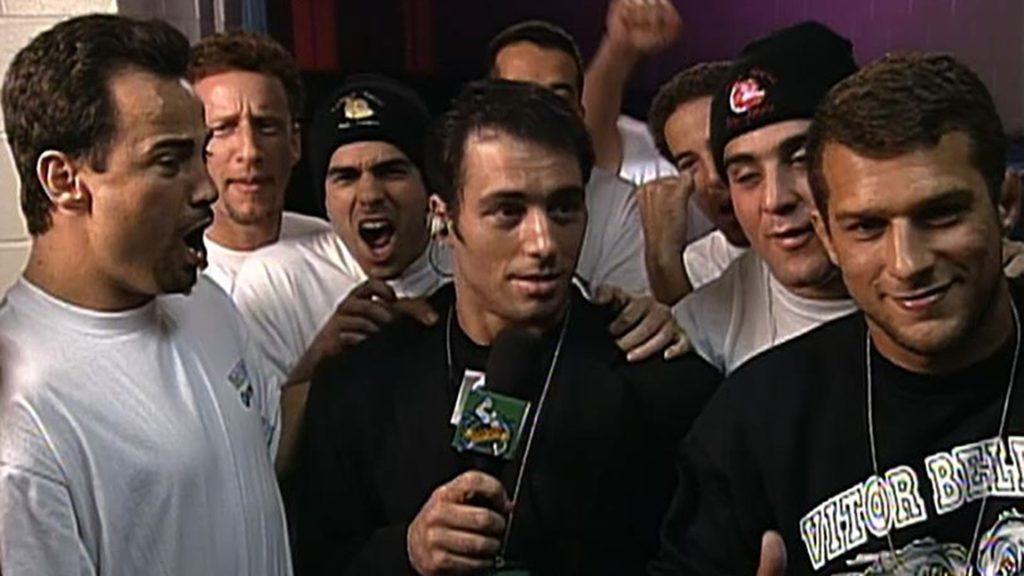
In 1997, a 29-year-old Rogan debuted with the Ultimate Fighting Championship at UFC 12 in Dothan, Alabama. His initial role was modest, a backstage interviewer conducting post-fight conversations in an sport still struggling for mainstream legitimacy.
When Zuffa acquired the UFC in 2001, new owner Dana White struck up a friendship with Rogan. Recognizing Rogan’s encyclopedic knowledge of technique, White offered him a role as a color commentator. In the early Zuffa days, Rogan famously worked for free across his first several events just to support the sport he loved.
Rogan revolutionized MMA commentary!
- Educating The Audience: In the early 2000s, casual fans saw grappling as boring floor work, or worse still, stalling. Rogan’s enthusiastic, play-by-play breakdowns of guard passes, submission setups, and underhooks educated millions on the chess match occurring on the canvas.
- Authentic Passion: His unscripted, visceral reactions to highlight-reel knockouts and crazy reversals became synonymous with the UFC’s identity.
Hooked On The Hobby: The BJJ Journey
When Royce Gracie shocked the sports world at UFC 1 in 1993, Rogan, like many striking purists, realized martial arts had changed forever. In 1996, he began formal training in BJJ under Carlson Gracie in Hollywood.
Rogan spent over 15 years putting in the quiet, painstaking mat hours required to reach the top tier of grappling.
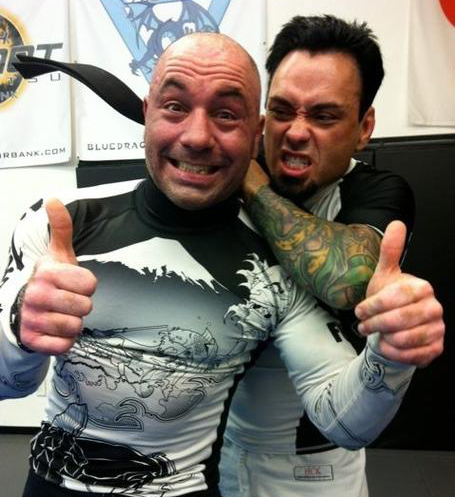
In mid-2012, Rogan achieved a rare feat in the grappling world, earning his 10th Planet No-Gi Black Belt from long-time training partner Eddie Bravo in June, followed by a more formal pajama-clad black belt from red-and-black belt legend Jean Jacques Machado just a few months later. Machado has repeatedly praised Rogan’s squeeze and technical submission mechanics, noting his legitimate high-level standard on the mats.
Cultural Icon & Lasting Legacy
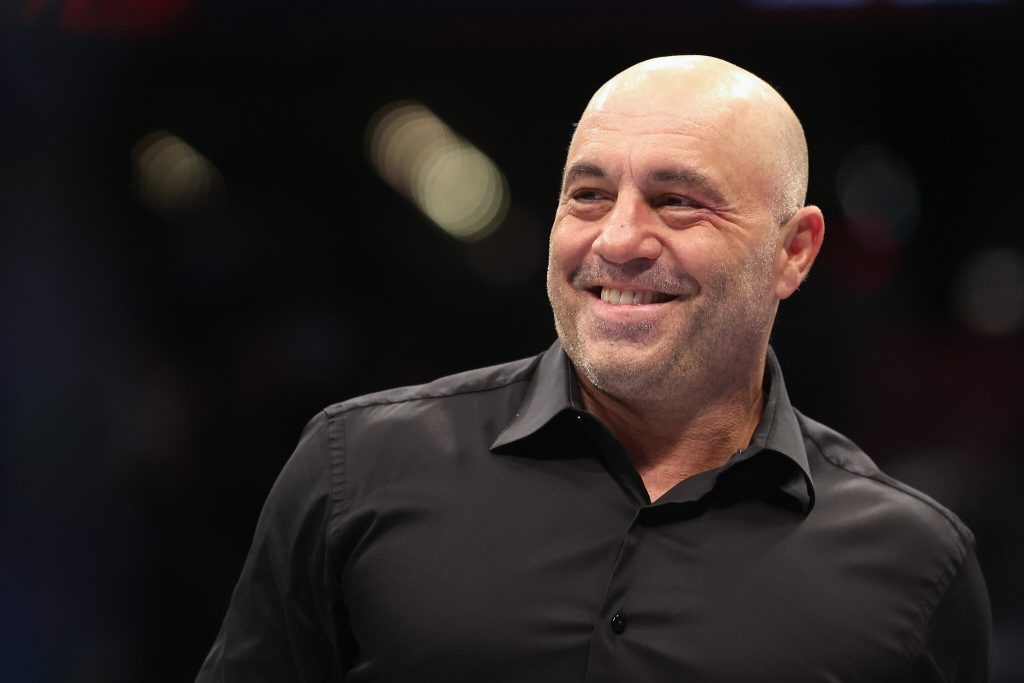
Today, Rogan’s impact on combat sports extends far beyond the commentary booth. Through The Joe Rogan Experience, he has created the premier platform for mixed martial artists, grapplers, and combat sports personalities.
- Mainstreaming Combat Sports: A single appearance on Rogan’s podcast can turn an underrated contender into a global superstar overnight.
- Elevating Grappling Culture: By hosting grappling icons, discussing ADCC events, and showcasing submission grappling, Rogan single-handedly pushed BJJ into pop culture consciousness.
- Pioneering Athletic Recovery: His frequent discussions on recovery, strength & conditioning, cold plunges, hyperbaric chambers, and sports nutrition altered how modern fighters approach longevity.
Happy Birthday To A True Combat Sports Pioneer
From winning full-contact state titles as a teenager in Boston to educating millions of viewers on pay-per-view, Joe Rogan’s career is a testament to what happens when genuine passion meets relentless curiosity.
As he celebrates his birthday today, the combat sports community stands united in saluting a man who didn’t just witness the rise of MMA, he helped forge it.
Happy Birthday, Joe!


