

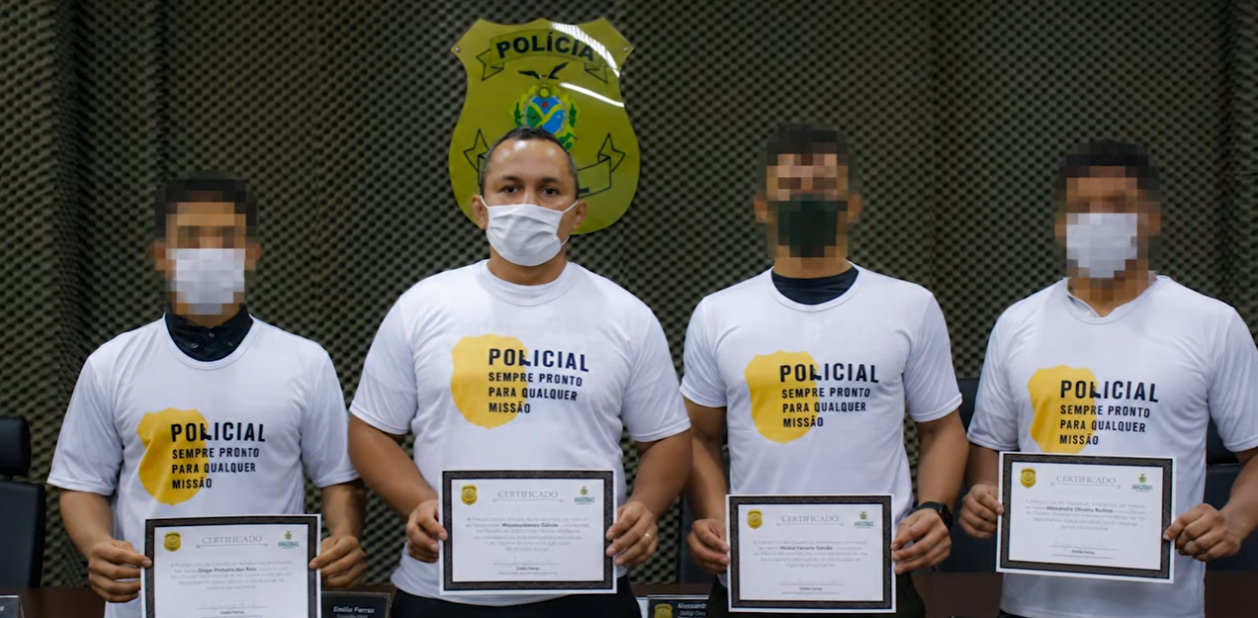
Craig Jones just dropped a pretty wild video covering the whole Melqui Galvao situation.
A newly released video traces the criminal investigation, alleged abuse of young athletes and organizational fallout surrounding one of Brazilian jiu-jitsu’s most influential coaches.
Craig Jones has released a new documentary-style video examining the serious allegations against Brazilian jiu-jitsu coach Melqui Galvão.
Titled “The Horrific Allegations Against Melqui Galvão,” the video brings together media reporting, public statements and available details from the investigation that has shaken the international grappling community.
Galvão is best known as the father and longtime coach of world champion Mica Galvão. He also built BJJ College into one of Brazil’s most successful talent-development programs, producing elite competitors such as Mica and two-time ADCC champion Diogo “Baby Shark” Reis.
That reputation changed dramatically in April 2026, when Galvão was arrested amid an investigation into allegations involving multiple former female students, including minors.
The Allegations Against Melqui Galvão
Brazilian authorities issued a temporary arrest warrant for Galvão in April. He surrendered to authorities in Manaus on April 28 and was later transferred to São Paulo, where the investigation originated.
Initial reporting identified at least three alleged victims. Subsequent reports stated that investigators were examining accusations involving additional former students.
One athlete was reportedly 17 years old when an alleged incident occurred during an international competition trip. Another alleged victim was reportedly only 12 at the time of the conduct being investigated.
Authorities have investigated potential offenses that reportedly include sexual misconduct, abuse involving a vulnerable minor, threats and unauthorized access to electronic devices.
Galvão has not been convicted of these offenses. The allegations remain subject to Brazil’s legal process, and any determination of criminal responsibility must ultimately be made by the courts.
Alleged Audio Becomes Central to the Story
One of the most significant elements discussed in the documentary is an audio recording reportedly attributed to Galvão.
According to media reports, the recording was allegedly sent to the family of one of the young athletes. A voice identified by those reports as Galvão appears to apologize for inappropriate conduct and discuss possible compensation.
Reported offers allegedly included a black belt promotion and assistance establishing a jiu-jitsu academy in Orlando.
The documentary treats the audio as a major piece of the publicly reported evidence. However, its authenticity, complete context and legal significance remain matters for investigators and the court system to assess.
Power, Dependence and the Coach-Athlete Relationship
Beyond the individual accusations, the video examines the extraordinary level of control that successful coaches can hold over young athletes.
BJJ College was not merely a place where students attended evening classes. For many competitors, the academy represented access to housing, travel, sponsorships, tournament opportunities, belt promotions and the possibility of building a professional career.
The documentary argues that this type of dependence can create an environment in which athletes fear that speaking out could cost them their team, financial support or future in the sport.
Galvão’s reported background as a civil-police investigator also receives attention. Some former students reportedly claimed that his relationships within law enforcement made them feel that complaints would not be taken seriously or allowed to move forward.
These claims remain allegations, but they contribute to the documentary’s broader examination of authority and institutional power within competitive jiu-jitsu.
IBJJF and CBJJ Issue Permanent Ban
The International Brazilian Jiu-Jitsu Federation and the Confederação Brasileira de Jiu-Jitsu responded to Galvão’s arrest by permanently banning him from their organizations.
The ban prohibits Galvão from participating in events or activities sanctioned by either organization.
In their joint statement, the IBJJF and CBJJ condemned conduct that threatens the safety and integrity of practitioners, particularly children and adolescents. The organizations also praised athletes who came forward and said allegations of abuse would be treated with the highest level of seriousness.
Mica Galvão Responds to His Father’s Arrest
Mica Galvão addressed the allegations in a public statement shortly after his father’s arrest.
Mica acknowledged his complicated position as both Melqui’s son and an athlete whose career had been shaped by his father. At the same time, he called for the allegations to be investigated seriously and publicly rejected harassment and violence against women and children.
Mica later announced that BJJ College had “fulfilled its purpose” and that the organization would move forward under a new identity, Mica Jiu-Jitsu.
The rebranding appeared to place the team under Mica’s leadership while distancing the new organization from his father’s former role.
Diogo Reis Leaves BJJ College
Diogo Reis also announced his departure from BJJ College after additional details surrounding the investigation became public.
Reis initially indicated that he wanted to remain with the academy to support teammates following the removal of its leader. He later said the magnitude of the allegations made his continued involvement with the organization unbearable.
Reis condemned abuse against women and children and expressed solidarity with victims of violence.
His departure was particularly significant because Reis had trained under Galvão from a young age and became one of the academy’s greatest competitive success stories.
A Larger Warning for the Jiu-Jitsu Community
The documentary’s central message extends beyond the investigation of one coach.
It asks the jiu-jitsu community to confront the risks created when a single person controls nearly every aspect of a young athlete’s life. In many elite programs, coaches can influence housing, income, sponsorships, international travel, education and access to competition.
When effective safeguarding systems do not exist, athletes may have nowhere independent to report misconduct.
The video also challenges organizations, academy owners and prominent athletes to consider how the sport handles accusations against influential figures. Competitive success, medals and reputation cannot be treated as substitutes for oversight.
Jiu-jitsu frequently promotes itself as a vehicle for confidence, discipline and personal development. Protecting those values requires more than reacting after allegations become public. It requires clear reporting procedures, appropriate boundaries between adults and minors, background screening and independent mechanisms for investigating complaints.
The Legal Case Continues
Galvão was transferred to São Paulo following his arrest while authorities continued the investigation. His legal team has also reportedly pursued changes to the conditions of his detention.
The outcome of those requests and the broader criminal proceedings should not be assumed from the documentary alone.
Craig Jones’ video does not deliver a legal verdict. Instead, it assembles the available reporting and asks difficult questions about how alleged abuse could occur inside one of the most successful youth-development programs in modern jiu-jitsu.
The allegations against Melqui Galvão remain unresolved in court. Their impact on the athletes, teams and institutions surrounding him, however, is already being felt throughout the sport.
Watch the complete documentary: The Horrific Allegations Against Melqui Galvão


