

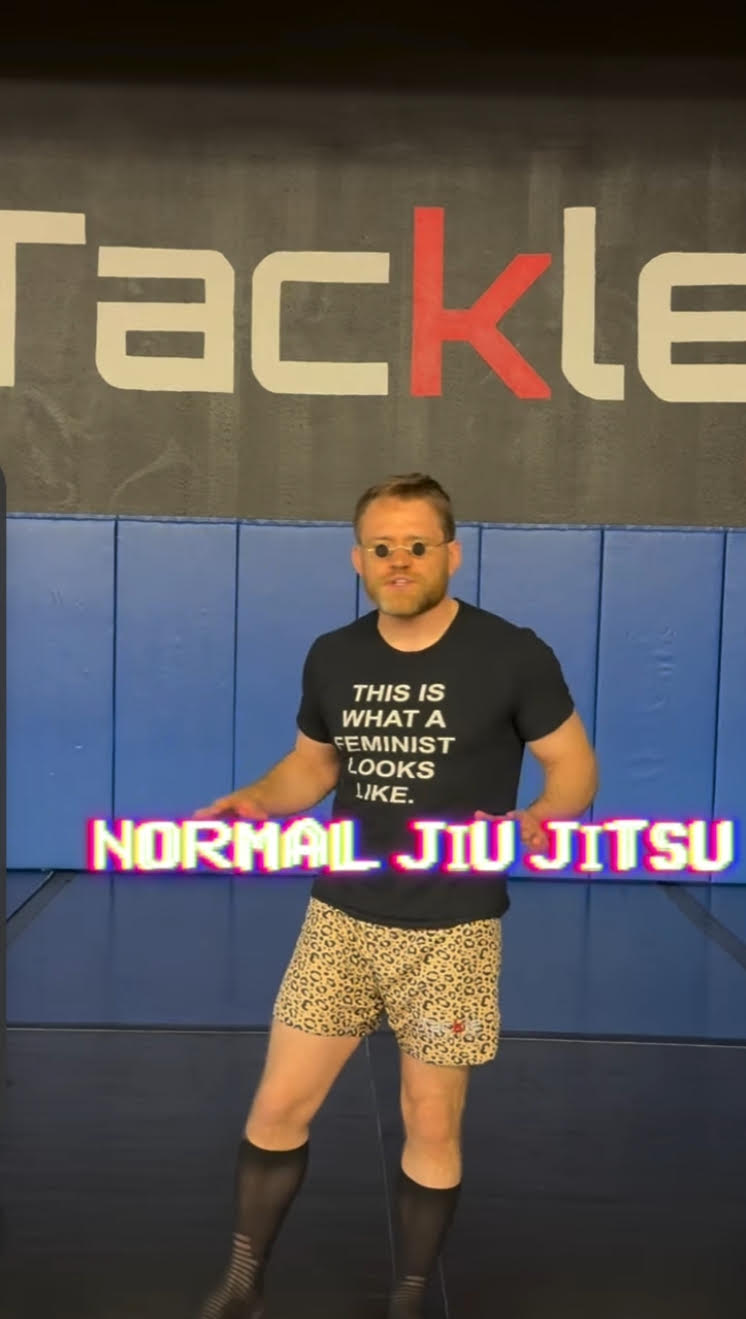
In any modern academy, you can witness the sportification of submission grappling at full throttle. Modern grapplers meticulously track tap-out statistics, drill hyper-optimized passing scenarios, and condition their bodies to perform like high-torque machines.
While this athletic evolution has elevated the sport’s intensity and visibility, it has also nudged many practitioners into a psychologically dangerous trap, viewing martial arts strictly as a mechanical formula to be solved, or a combat sport to be conquered.
When we strip away the word art from martial art, we lose the core mechanism that makes grappling a sustainable, lifelong practice. Treating training as an expressive, personal, and creative art isn’t just romantic philosophy, it is a vital paradigm backed by neuroscience, sports psychology, and motor learning principles.
Here is why embracing the artistic nature of the gentle art is critical for your long-term health, skill, and longevity on the mat.
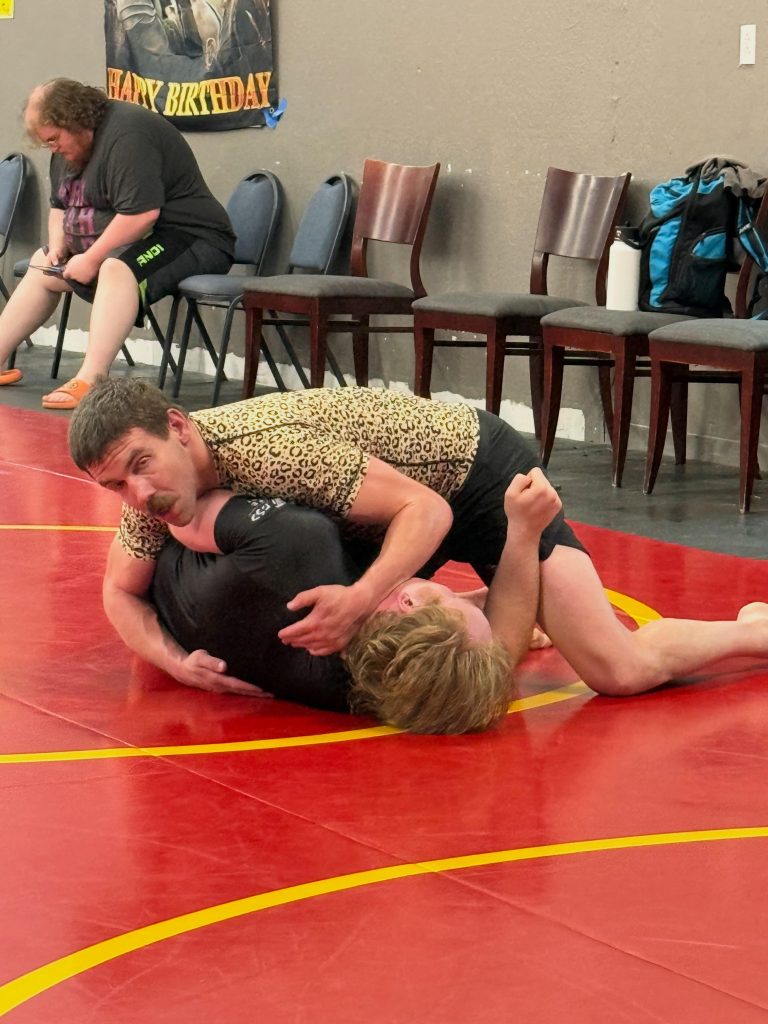
1. The Psychology Of Autonomy And Its Roll In Preventing Burnout
When an athlete’s entire relationship with submission grappling is predicated on winning rolls, accumulating medals, or chasing the next belt promotion, their drive relies on extrinsic motivation. In sports psychology, over-reliance on external rewards is a known precursor to emotional exhaustion and athletic burnout.
Conversely, treating Jiujitsu as an art shifts your focus toward intrinsic motivation, participating for the inherent joy, curiosity, and personal satisfaction of the process.
Opinions Backed By Research:
Grounded in Self-Determination Theory (Deci & Ryan), recent research published in Frontiers in Psychology examining combat sport practitioners found that intrinsic motivation directly predicts higher psychological well-being and mental toughness while serving as a primary buffer against athlete burnout. Athletes driven by skill mastery and personal expression view setbacks as creative challenges rather than threats to their identity.
When you view the mat as an art studio, a bad training day or a lost match is no longer a personal failure, it is simply draft work on the canvas.
2. Motor Learning & Neuroplasticity: The Power Of Creative Exploration
Dogmatic repetition of rigid techniques will only take a grappler so far. Human bodies differ radically in limb length, flexibility, muscle composition, and age. Treating grappling as a rigid, one-size-fits-all science ignores the dynamic reality of human movement.
When you treat grappling as an art form, you grant yourself permission to explore and adapt. In modern motor learning science, this aligns with ecological dynamics, an approach to skill acquisition that emphasizes problem-solving and environmental adaptability over strict mechanical prescription.
- Adaptive Retention: Studies in neurobiology show that self-directed physical movement and creative problem-solving stimulate neuroplasticity, the brain’s ability to rewire itself, far more effectively than forced, repetitive mechanical drills.
- Executive Function: Complex, dynamic movement patterns enhance executive functions within the prefrontal cortex, including working memory, cognitive flexibility, and real-time spatial awareness.
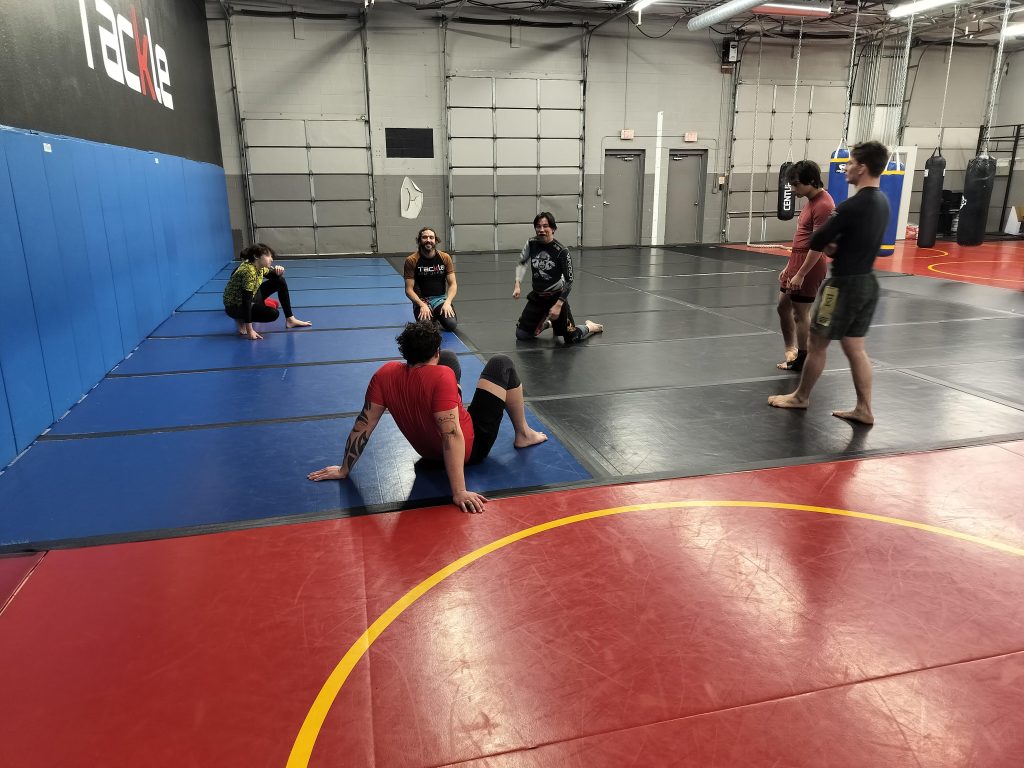
3. Emotional Regulation And The Flow State
If every round on the mat is treated as a life-or-death battle, the nervous system remains locked in a sympathetic fight-or-flight response. Over time, chronic elevated cortisol levels lead to systemic inflammation, poor physical recovery, and heightened anxiety.
Approaching martial arts as an art form transforms high-stress sparring into a state of dynamic meditation and creative play.
Research across various martial arts highlights that when training incorporates elements of mindfulness, self-expression, and fluid movement, practitioners experience the following:
- Significant reductions in daily stress and baseline anxiety.
- Enhanced emotional regulation and impulse control, both on and off the mat.
- Increased time spent in Flow State, the optimal state of consciousness identified by psychologist Mihaly Csikszentmihalyi, where performance peaks and self-consciousness drops to zero.
4. Crafting Your Unique Canvas
Look at any high-level practitioner, and you will notice something distinct, their movement is uniquely theirs. No two black belts express martial arts in the exact same way.
Treating martial arts as an art form honors your individuality.
- Injury Management & Aging: As our bodies age or sustain injuries, our physical attributes change. An artistic approach allows you to shift styles seamlessly, transitioning from a fast, inversion-heavy game in your twenties to a pressure-based, efficiency-focused game in your fifties without losing your connection to the art.
- Ownership Of Movement: Art requires ownership. When you stop copying moves verbatim and start understanding the concepts behind them, you transition from an instructor’s student to an independent creator of your own game.
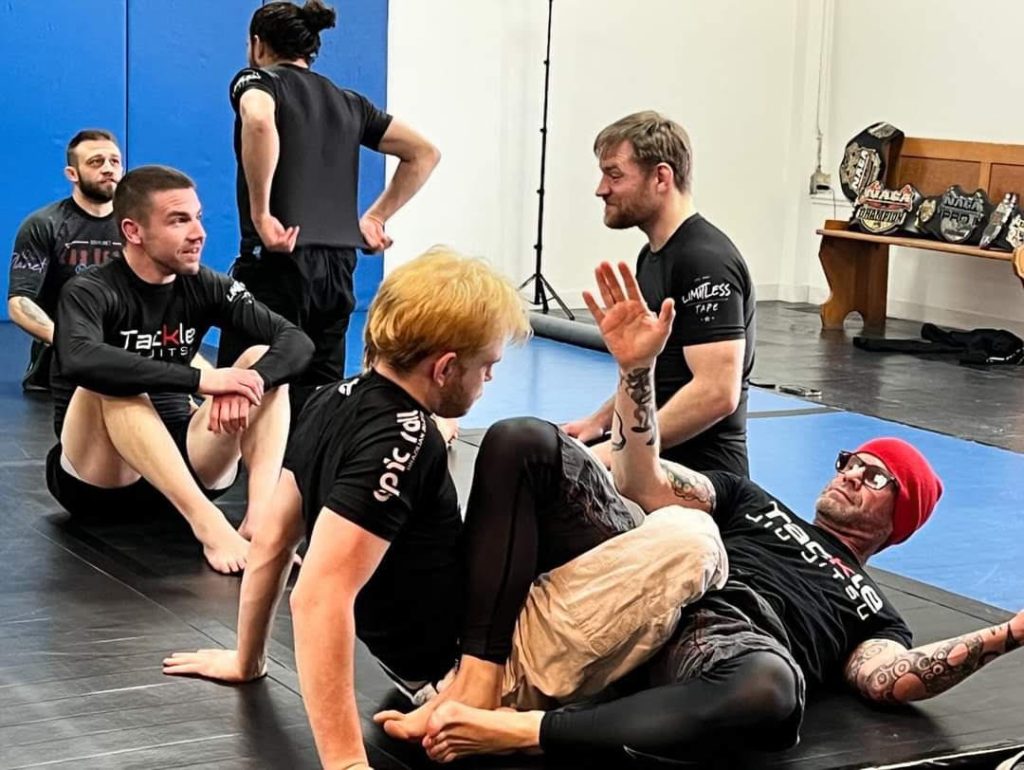
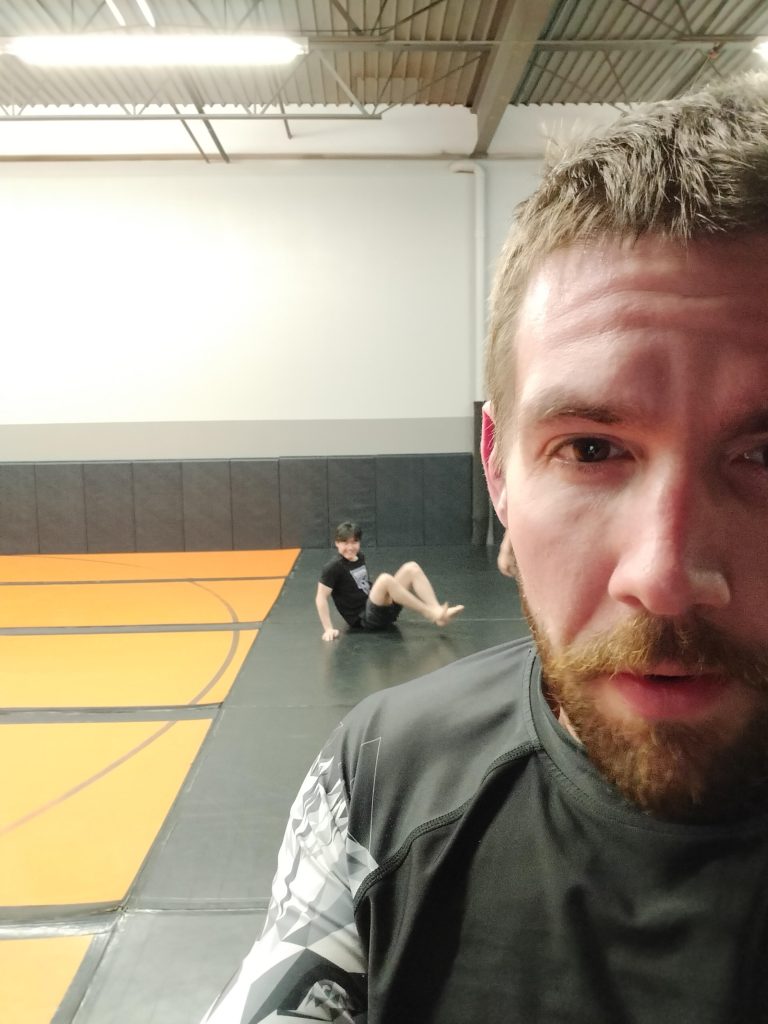
How To Cultivate The Artistic Mindset On And Off The Mats
To transition from a mechanized trophy-goblin, to a martial artist, try incorporating these habits into your weekly routine.
- Dedicate Play Rounds: Spend at least one session a week flow-rolling with zero intent to submit or win. Focus entirely on novel transitions, balance, and rhythm.
- Focus On Concepts Over Dogma: Instead of trying to memorize a 10-step sequence, study principles like lever control, weight distribution, and wedge creation.
- Refuse To Let Scores Define Your Worth: Measure success by how creatively you solved a problem during a roll, not by how many taps you secured.
You Are The Masterpiece
Medals tarnish, physical attributes fade, and rule sets inevitably change. If your connection to martial arts depends entirely on athletic supremacy, your time on the mat has an expiration date.
By treating grappling as an art form, you unlock a lifelong pathway for cognitive growth, mental health, and personal expression. The mat ceases to be an arena of judgment and becomes what it was always meant to be, a canvas where you write your own story, one round at a time.


