

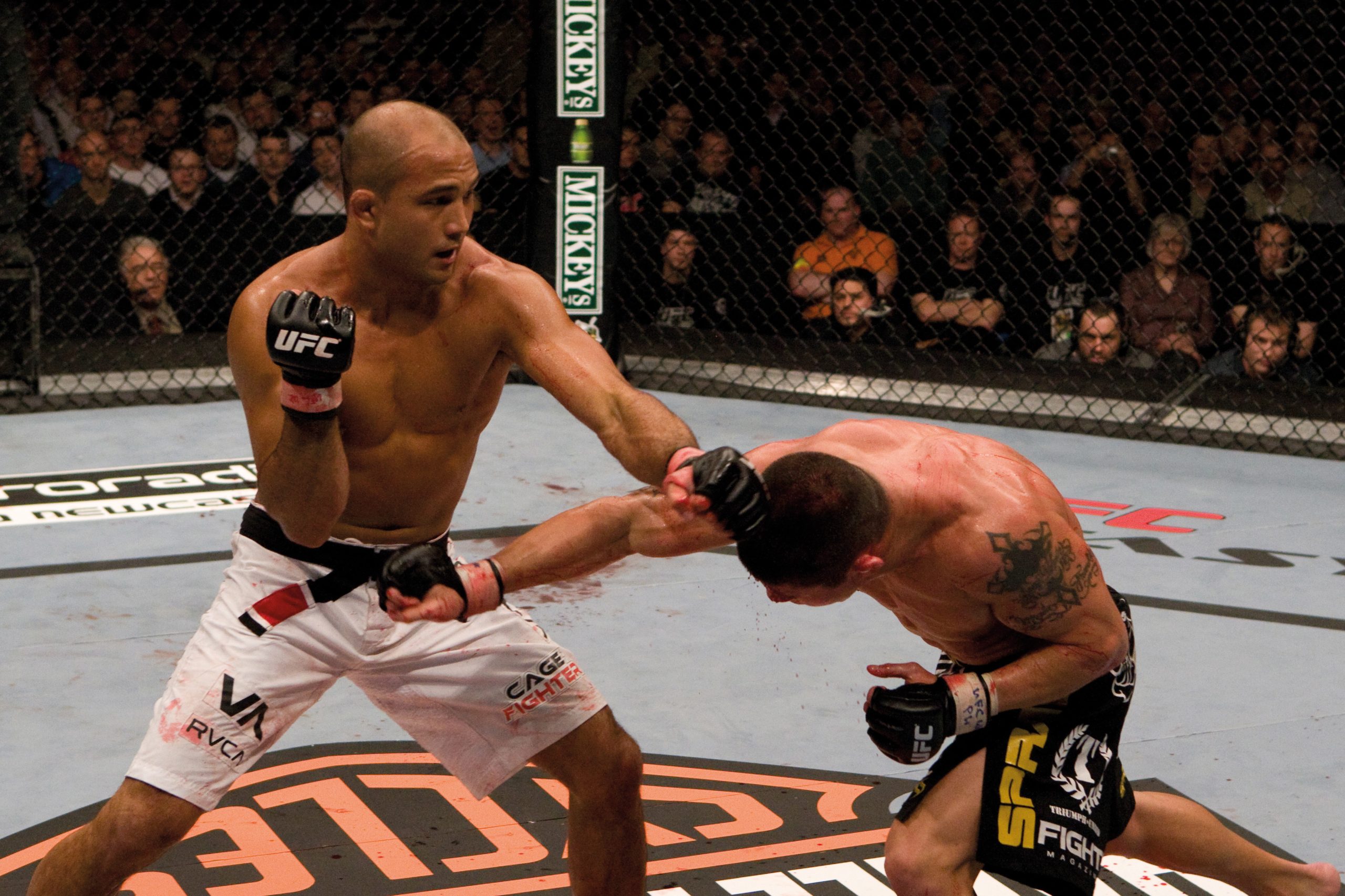
In the annals of mixed martial arts, few names spark as much fervent debate and awe as B.J. Penn. “The Prodigy,” as he was famously known, burst onto the scene with a talent so raw and undeniable, it seemed to defy the very laws of combat sports. From his humble Hawaiian beginnings to becoming a two-division UFC champion, Penn’s journey was a rollercoaster of breathtaking highs and heartbreaking lows, leaving behind a legacy as complex and captivating as the man himself.

Born Jay Dee Penn in Kailua, Hawaii, B.J.’s early life was steeped in the island’s unique blend of relaxed living and intense passion. It wasn’t long before this passion found an outlet in martial arts, specifically Brazilian Jiu-Jitsu. Under the tutelage of Ralph Gracie and later André Pederneiras, Penn’s development was meteoric. He wasn’t just learning the art, he was mastering it at an unprecedented pace. His dedication was legendary, often training for hours on end, driven by an insatiable desire to be the best. In a sport where black belts often take a decade or more to earn, Penn achieved the rank in just three years, a testament to his extraordinary natural ability and relentless work ethic. This culminated in him becoming the first non-Brazilian to win the black-belt division of the World Jiu-Jitsu Championship in 2000, a feat that announced his arrival on the world stage.
With his BJJ credentials firmly established, Penn transitioned to mixed martial arts, making his professional debut in 2001. His early fights were a whirlwind of aggressive striking and submission wizardry. He quickly gained a reputation for his fearless approach, willing to stand and trade with anyone, yet possessing the ground game to finish fights with startling efficiency. It was clear a new force had arrived.
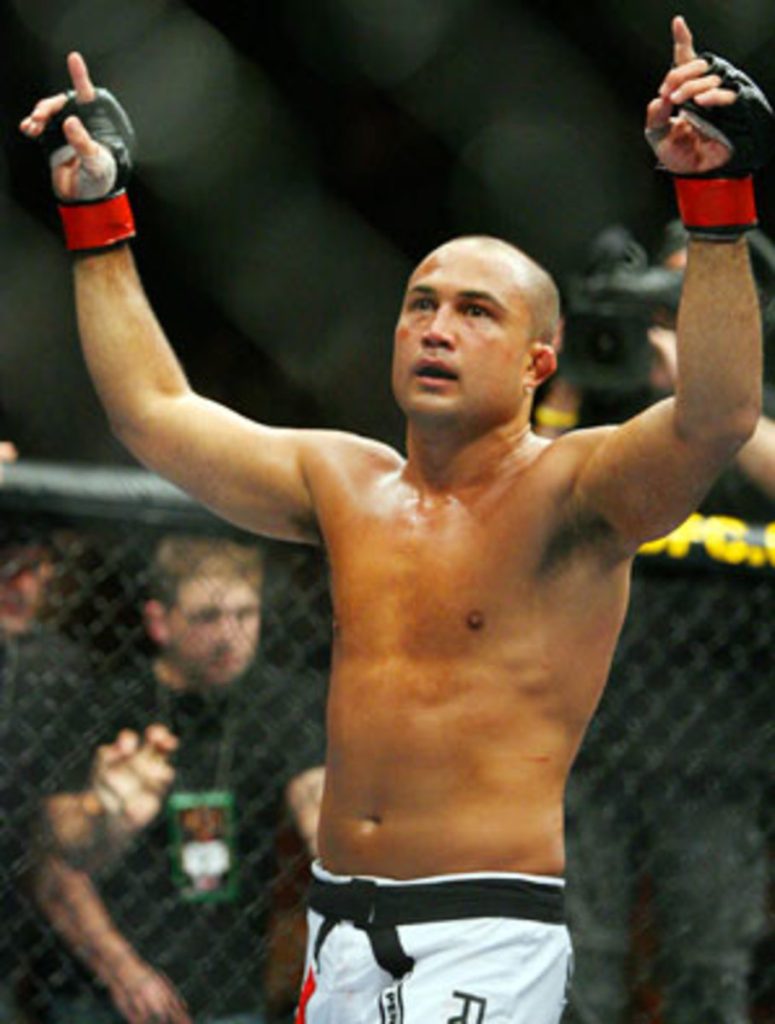
The “Penn Era” truly began to take shape in the mid-2000s. After a thrilling draw with Caol Uno and a decision loss to Jens Pulver for the lightweight title, Penn made the audacious jump to welterweight to face then-champion Matt Hughes at UFC 46 in 2004. In a monumental upset, Penn submitted Hughes in the first round, claiming the UFC Welterweight Championship and etching his name into history as one of the sport’s pound-for-pound elite. This victory, against a larger and seemingly invincible opponent, cemented his status as “The Prodigy” – a fighter capable of anything.
However, the relentless nature of the sport and Penn’s own desire to constantly challenge himself across weight classes began to take its toll. After losing the lightweight title in 2010 to Frankie Edgar, “The Prodigy’s” career entered a protracted, heart-wrenching decline. Despite multiple announcements of retirement, Penn repeatedly returned to the Octagon, motivated by an addiction to competition that superseded logic. From 2011 to his final fight in 2019, he suffered seven consecutive losses, a grim and unprecedented streak for a fighter of his caliber. The speed, ferocity, and granite chin that defined his peak years began to fade, replaced by a slower, more vulnerable version of the legend. His final, painful appearance was a decision loss to Clay Guida, bringing a close to one of the most brilliant yet bittersweet careers in MMA history. He had long been inducted into the UFC Hall of Fame (2015), yet the final years in the cage cast a shadow on the memory of his former greatness.

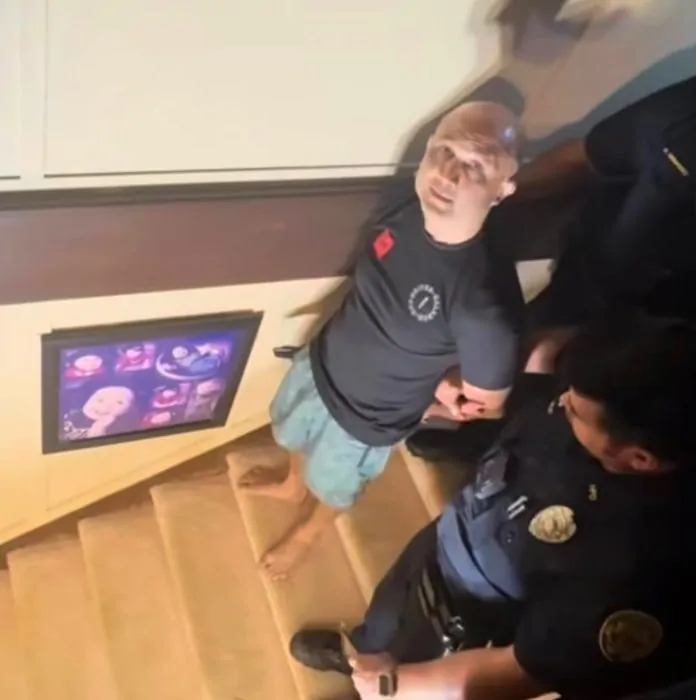
In the years following his definitive retirement, the narrative surrounding B.J. Penn has taken a tragically dark turn. The competitor who once only faced challenges inside the cage now grapples with serious and public issues outside of it. Beginning in the late 2010s and escalating significantly in recent years, Penn has been involved in a troubling string of legal run-ins, primarily in his home state of Hawaii. These incidents include multiple arrests for alleged assault, disorderly conduct, and repeatedly violating protective orders—many stemming from volatile domestic disputes and family conflicts.
The severity of the situation has prompted immense concern from the combat sports community and his own family. Public court documents and social media posts have highlighted extremely erratic behavior, with Penn making unusual and alarming claims, including that his family members have been replaced by “imposters.” This behavior led his mother to file a restraining order and publicly state her belief that her son is suffering from Capgras Syndrome, a rare delusional misidentification disorder. While a definitive diagnosis has not been universally confirmed, the mounting evidence—including being legally ordered to undergo a psychiatric assessment by a Hawaii circuit court judge—points toward significant mental health challenges, potentially linked to the long-term effects of a career spent enduring head trauma.

The tragedy of B.J. Penn’s final chapter is the stark contrast between the luminous champion and the troubled figure now dominating headlines, serving as a sobering reminder of the high cost of greatness and the critical need for post-career support in combat sports.


