

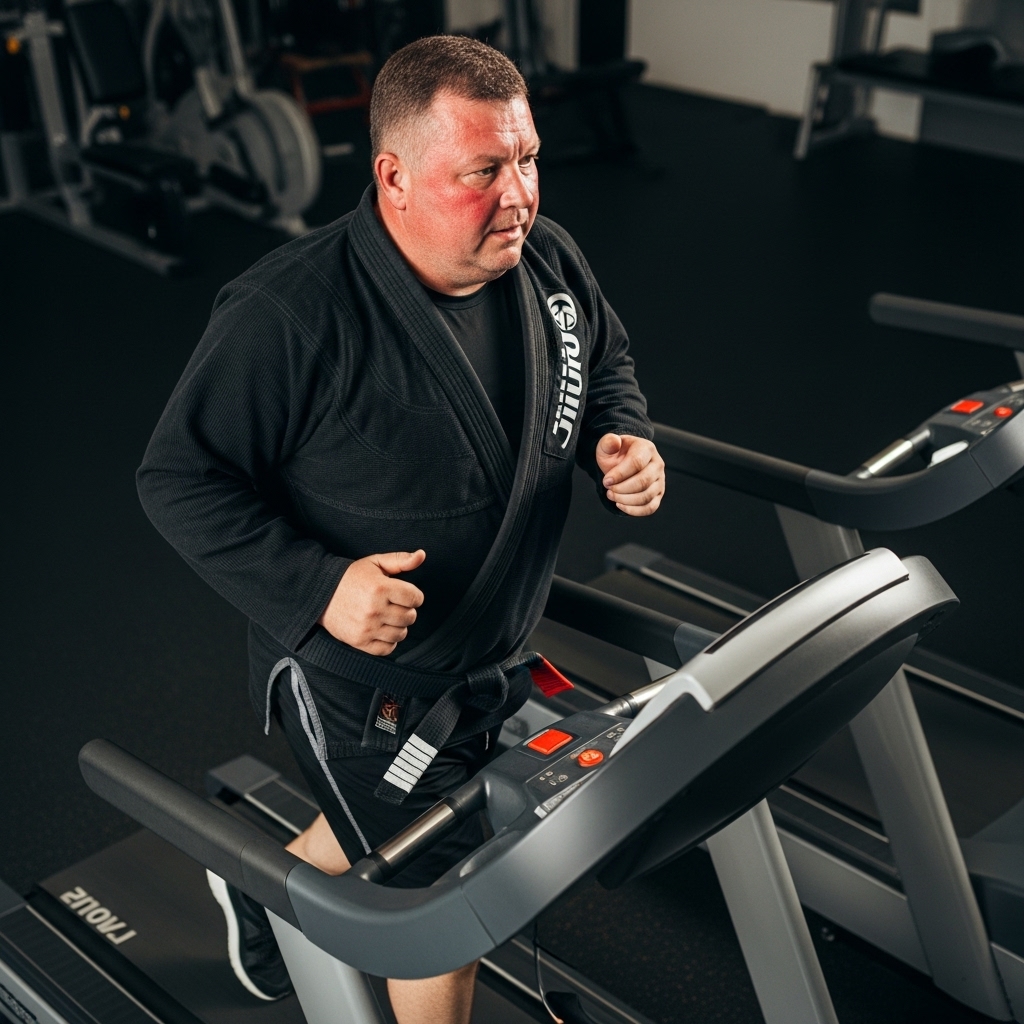
For years, the go-to advice for anyone looking to improve their cardiovascular fitness has been to hit the pavement for a long, steady-state run. While there’s certainly a place for this type of training in general fitness, for the dedicated grappler, relying solely on steady-state running for cardio might actually be hindering your performance on the mats.
Submission grappling is a dynamic, unpredictable sport. It’s a series of explosive bursts, short periods of intense isometric contraction, rapid transitions, and quick recoveries, interspersed with moments of active “rest” where you’re still engaged but perhaps not expending maximum energy. This ebb and flow of intensity is vastly different from the consistent, rhythmic output of a 30-minute jog.
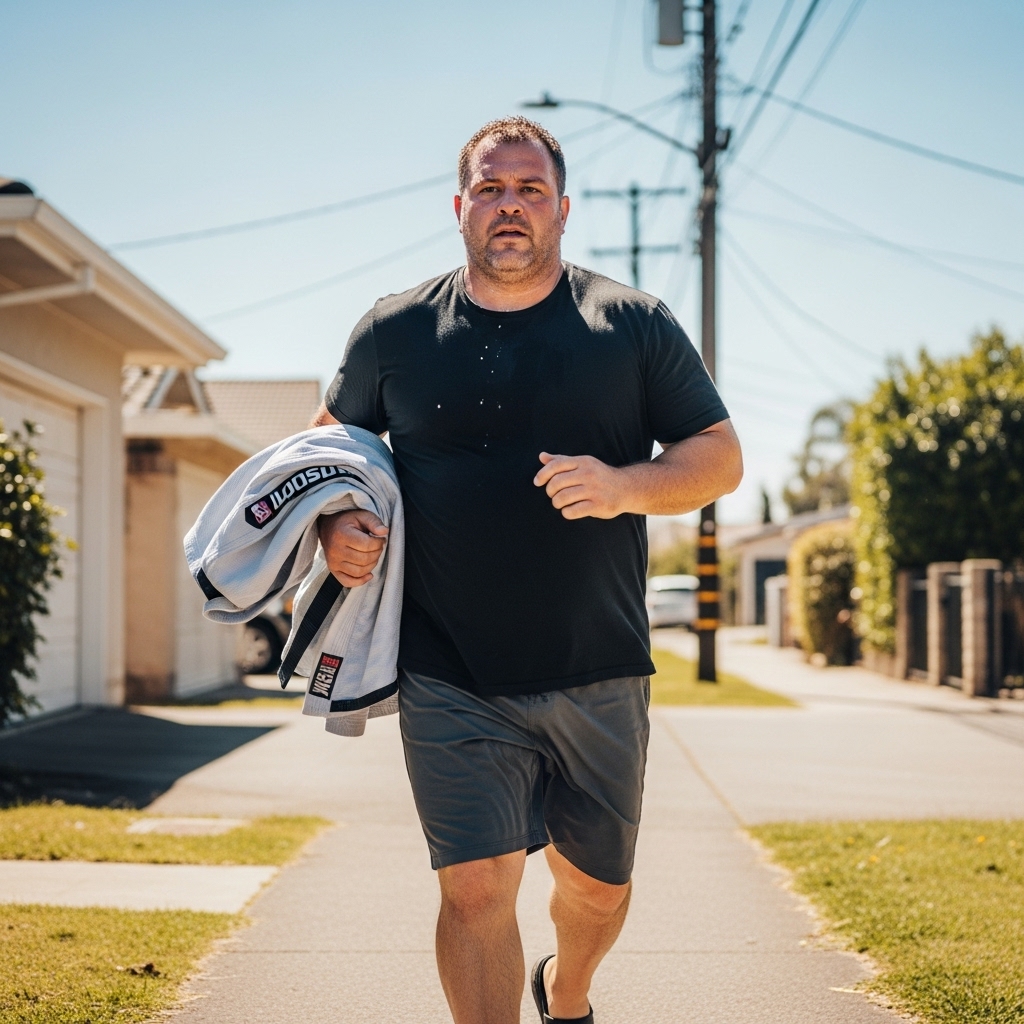
The Mismatch: Why Steady-State Running Misses The Mark
Risk Of Overuse Injuries: For grapplers who already put their joints under significant stress, high-volume steady-state running, particularly on hard surfaces, can increase the risk of overuse injuries to the knees, ankles, and hips, potentially sidelining you from the mats.
Energy System Specificity: Jiujitsu primarily taxes your anaerobic energy systems (ATP-PC and Glycolytic) during those intense scrambles, guard passes, and submission attempts. While steady-state running (aerobic) improves your ability to sustain lower-intensity efforts over time, it doesn’t adequately train your body to produce and recover from the explosive, high-power demands of grappling. You might have great endurance for a marathon, but find yourself gassing out after a couple of intense rounds.
Lack Of Positional Specificity: Running, by its nature, is a linear, upright movement. Jiujitsu involves a wide range of body positions, often low to the ground, with constant pushing, pulling, twisting, and resisting. Running simply doesn’t mimic the muscular demands or movement patterns you encounter when rolling.
Limited Power And Strength Development: While running can build some leg endurance, it does little to develop the rotational power, grip strength, core stability, and upper body endurance crucial for grappling.
The Solution: Cardio That Mimics The Mat
So, if long runs aren’t the answer, what should you be doing? The key is to incorporate training that mirrors the intensity, duration, and energy system demands of grappling. Think short, sharp bursts, active recovery, and movements that engage your entire body.
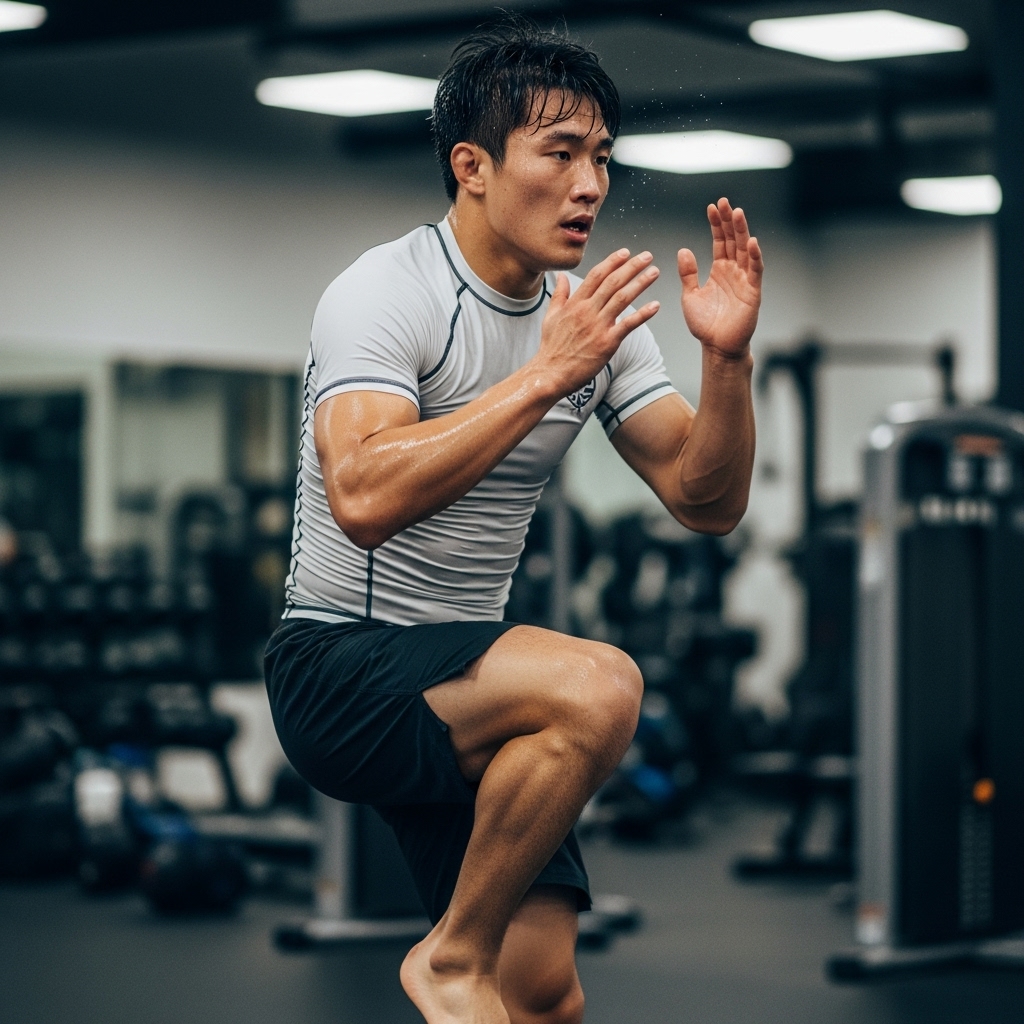
Here are some highly effective alternatives to traditional steady-state running to supercharge your jiujitsu cardio:
High-Intensity Interval Training (HIIT): This is arguably the most effective cardio for grappling. HIIT involves short periods of maximal effort followed by brief recovery periods. Examples: Sprinting (on a track or assault bike), burpees, jumping jacks, mountain climbers, kettlebell swings, battle ropes. Structure: 30 seconds max effort, 30 seconds rest, repeat for 10-20 minutes. Adjust ratios based on your fitness level.
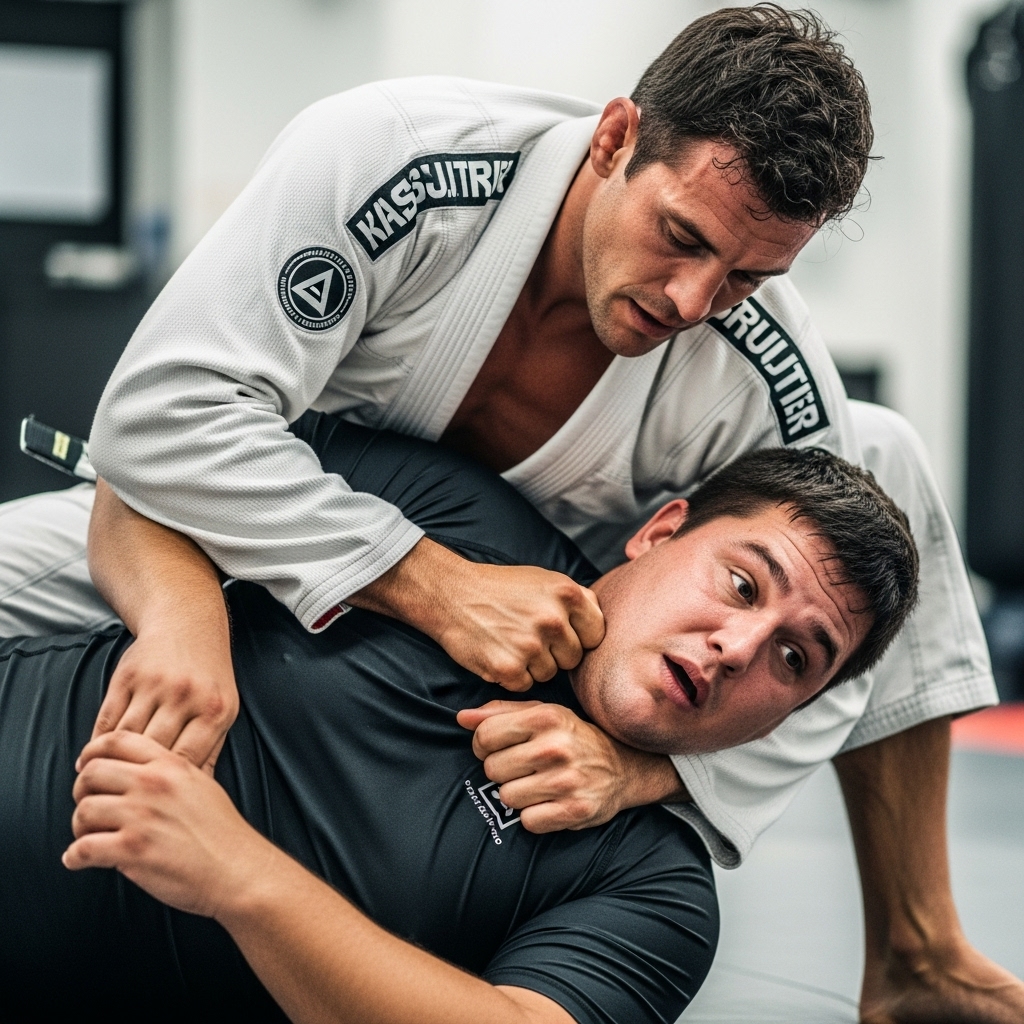
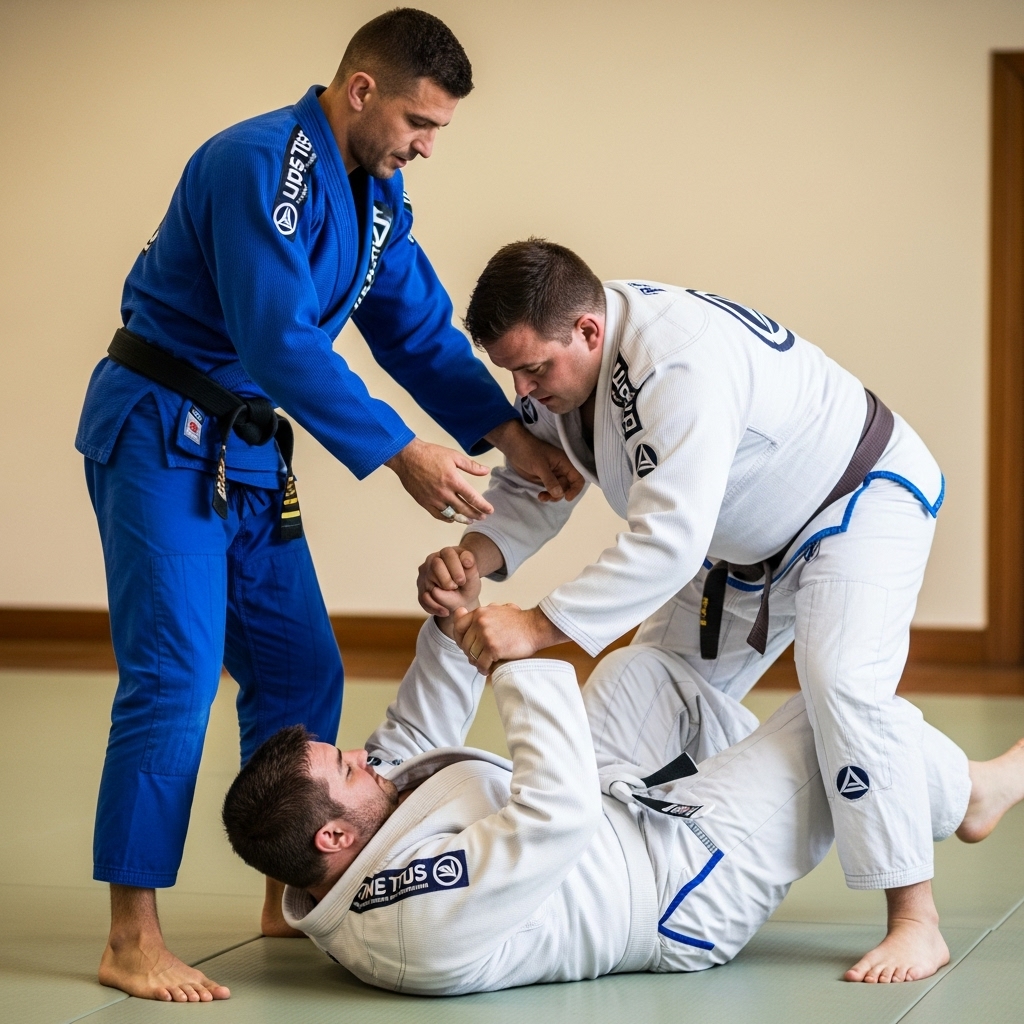
Specific Grappling Drills (High-Paced): There’s no better way to get in jiujitsu shape than doing jiujitsu! Incorporate rounds of drilling with a partner, focusing on continuous movement and transitions. Structure: 3-5 minute rounds of continuous drilling with short breaks, mimicking rolling. Examples: Drilling escapes from bad positions, rapid guard passing chains, takedown entries and finishes.
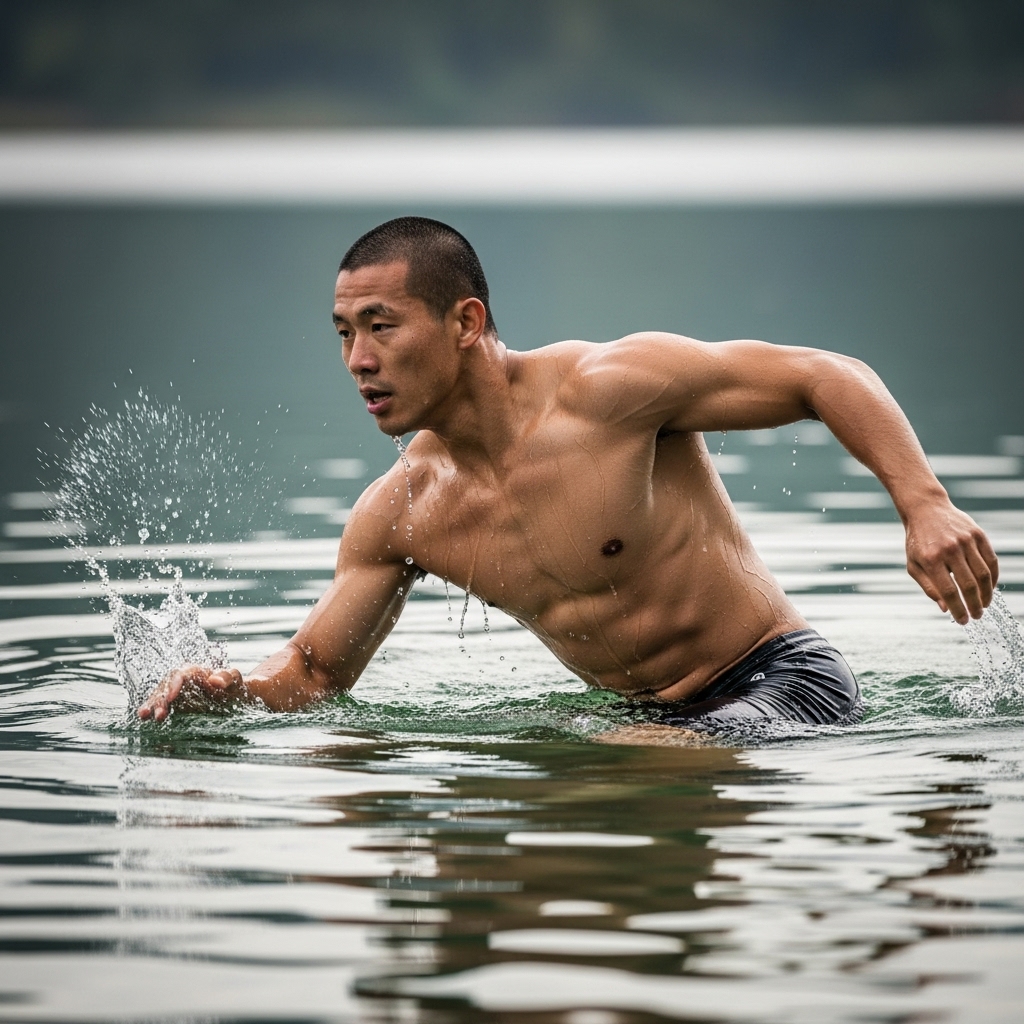
Swimming: While not directly mimicking ground movements, swimming is a fantastic full-body cardio workout that is low impact and helps improve lung capacity and muscular endurance in a different plane of motion. Examples: Interval swimming (fast laps followed by slower recovery laps), or continuous swimming for moderate durations.
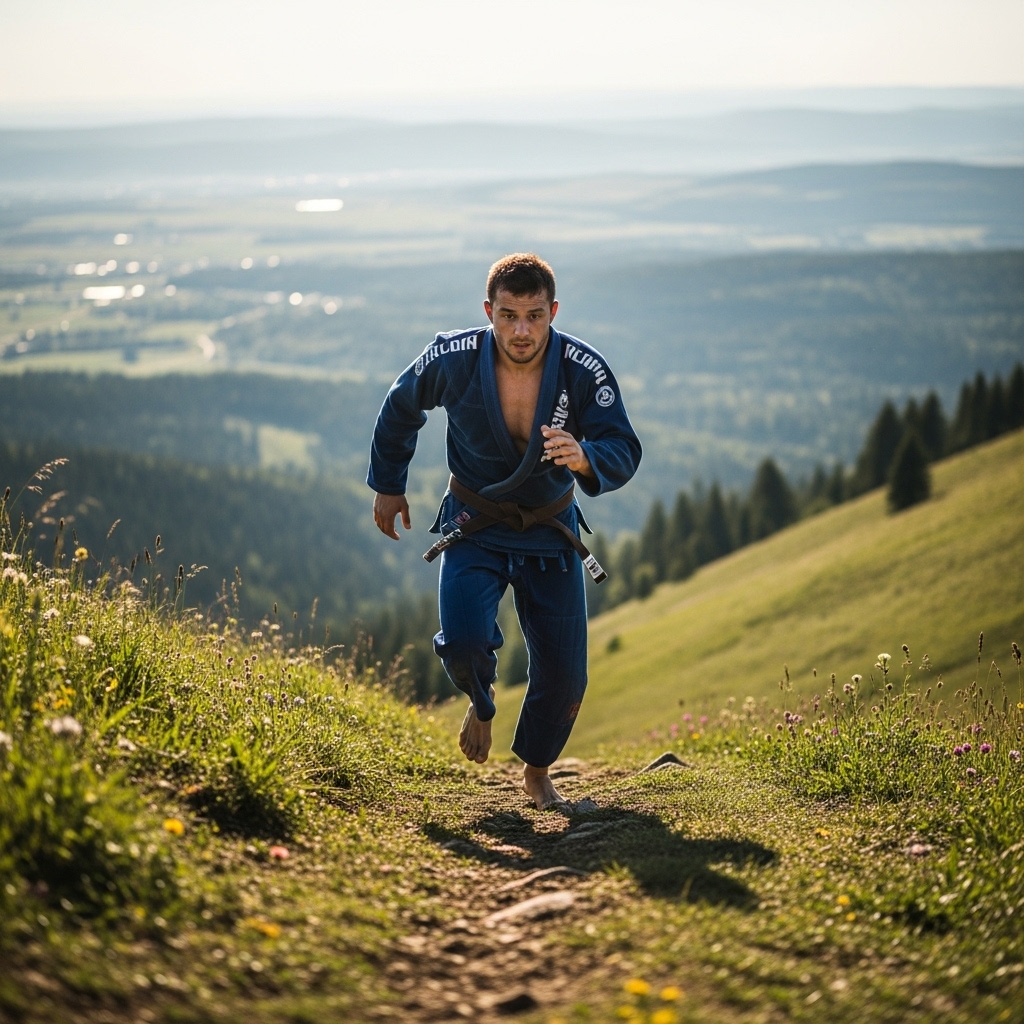
Sprinting (Hill Sprints Or Treadmill Sprints): Short, explosive sprints are excellent for developing anaerobic power and improving your ability to recover quickly. Examples: 10-20 second full-effort sprints up a hill or on a treadmill (with proper warm-up), followed by a walk back down or active recovery, repeat 8-12 times.
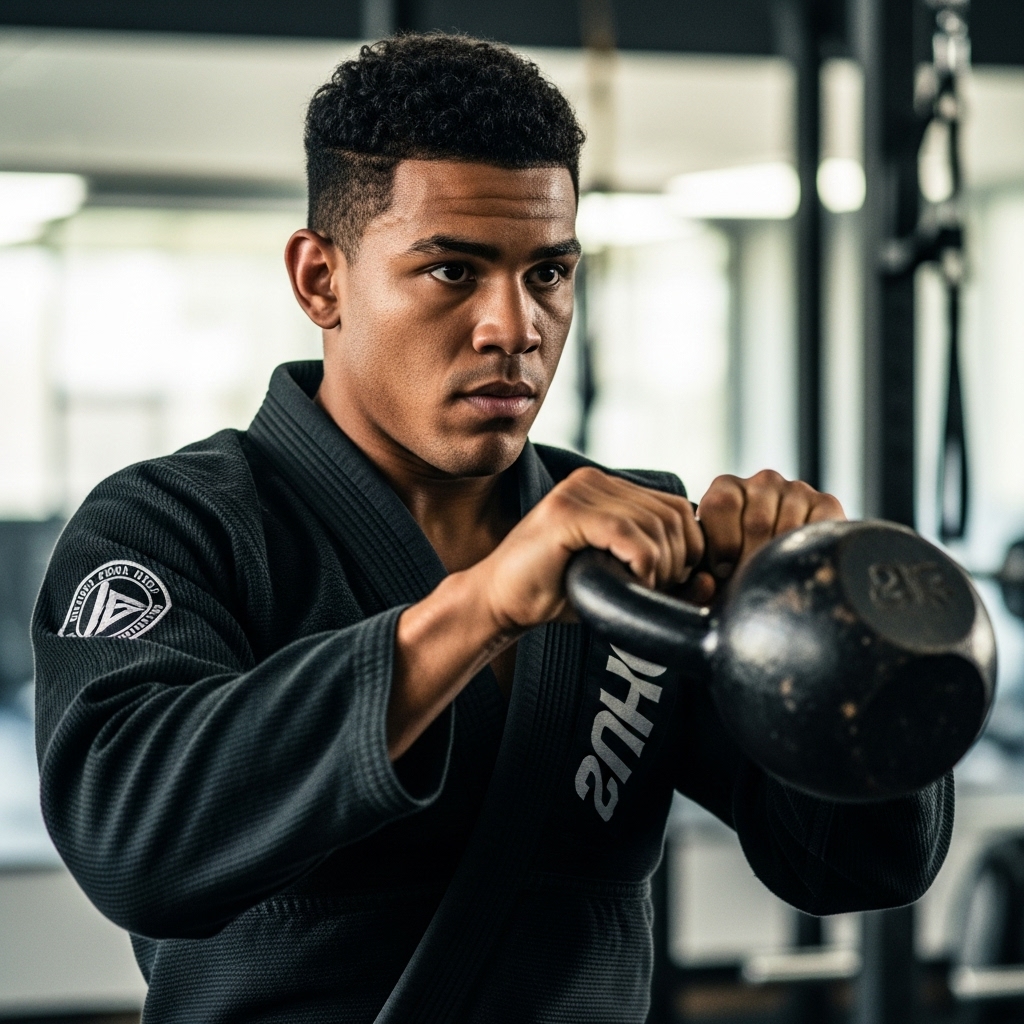
Kettlebell Work: Kettlebells are incredibly versatile for building strength, power, and cardio, particularly with movements like swings, snatches, and cleans. Benefits: Mimics the dynamic, full-body movements and grip demands often found in grappling.
Incorporating These New Alternatives Into Your Routine
Aim to replace some of your traditional steady-state cardio with 2-3 sessions per week of these more Jiu-Jitsu specific alternatives. Remember to always warm up thoroughly and cool down properly. Listen to your body and adjust intensity and volume as needed.
By shifting your cardio focus from long, steady runs to more explosive, interval-based, and grappling-specific training, you’ll not only improve your conditioning for jiujitsu but also reduce your risk of injury and unlock a new level of performance on the mats. Ditch the long runs and embrace cardio that makes you a more formidable grappler!


