

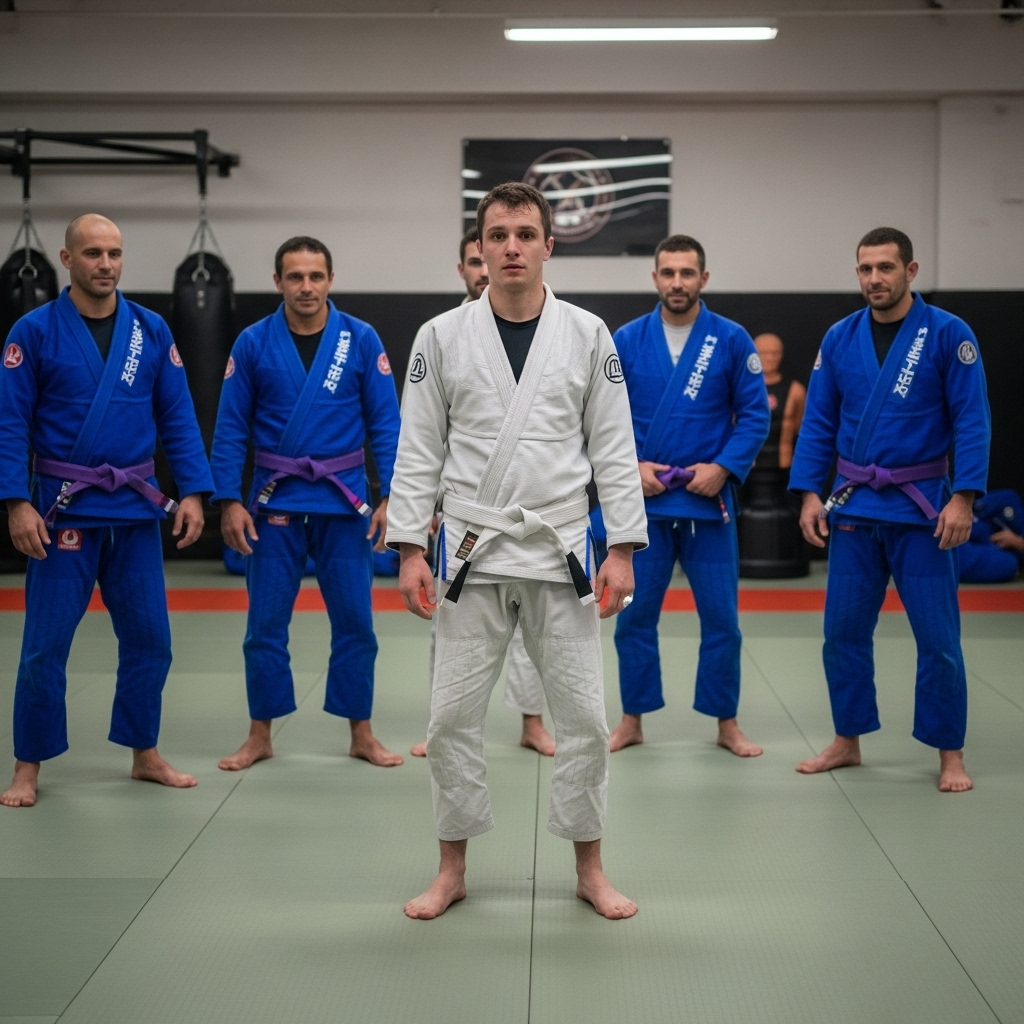
The white belt phase in submission grappling is a time of immense learning and fundamental development. For many upper belts, there’s an unspoken code of protecting these newer practitioners, often leading us to shy away from techniques deemed “advanced” or “dangerous” for them – chief among them, leg locks. While the intention is good, I argue that this protective instinct, particularly regarding leg locks, is not only misguided but actively hinders the growth of our white belt counterparts.
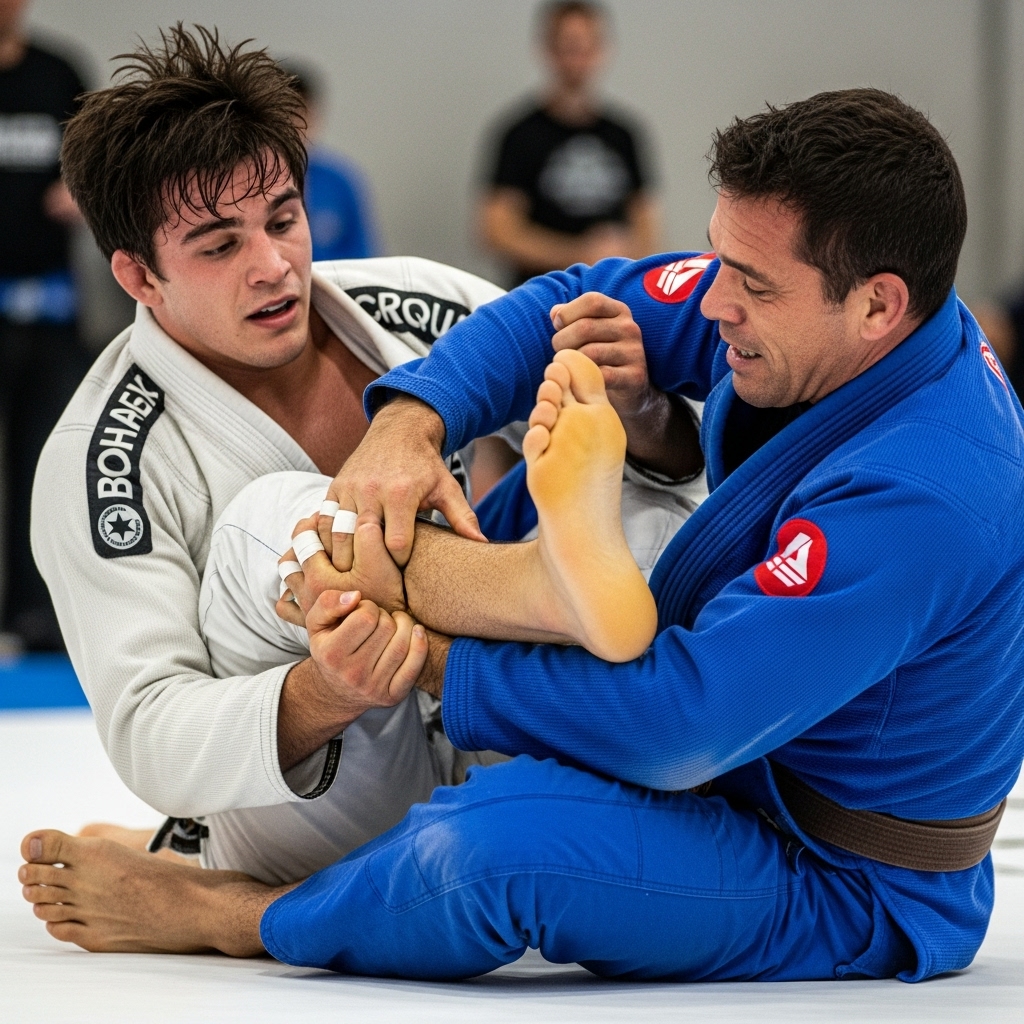
Let’s be clear, this isn’t an endorsement of reckless abandon or intentional injury. The emphasis, as always in good training, remains on control, communication, and ego-free practice. However, deliberately avoiding an entire category of submissions with white belts does them a profound disservice.
Consider This: In modern jiu-jitsu, leg locks are an undeniable and increasingly prevalent part of the game. From the highest levels of professional competition to the local open mats, heel hooks, knee bars, and ankle locks are integrated into strategies and sequences. To shield white belts from this reality is to present them with an incomplete and ultimately outdated picture of jiujitsu.
By not exposing white belts to leg locks in a controlled environment, we are essentially delaying their education. They will eventually encounter these techniques, whether in a competition, at another academy, or even from a more experienced training partner who doesn’t subscribe to the “no leg locks for white belts” philosophy. When that moment comes, their lack of familiarity can lead to confusion, panic, and a higher risk of injury due to a lack of understanding of the mechanics or proper defense.
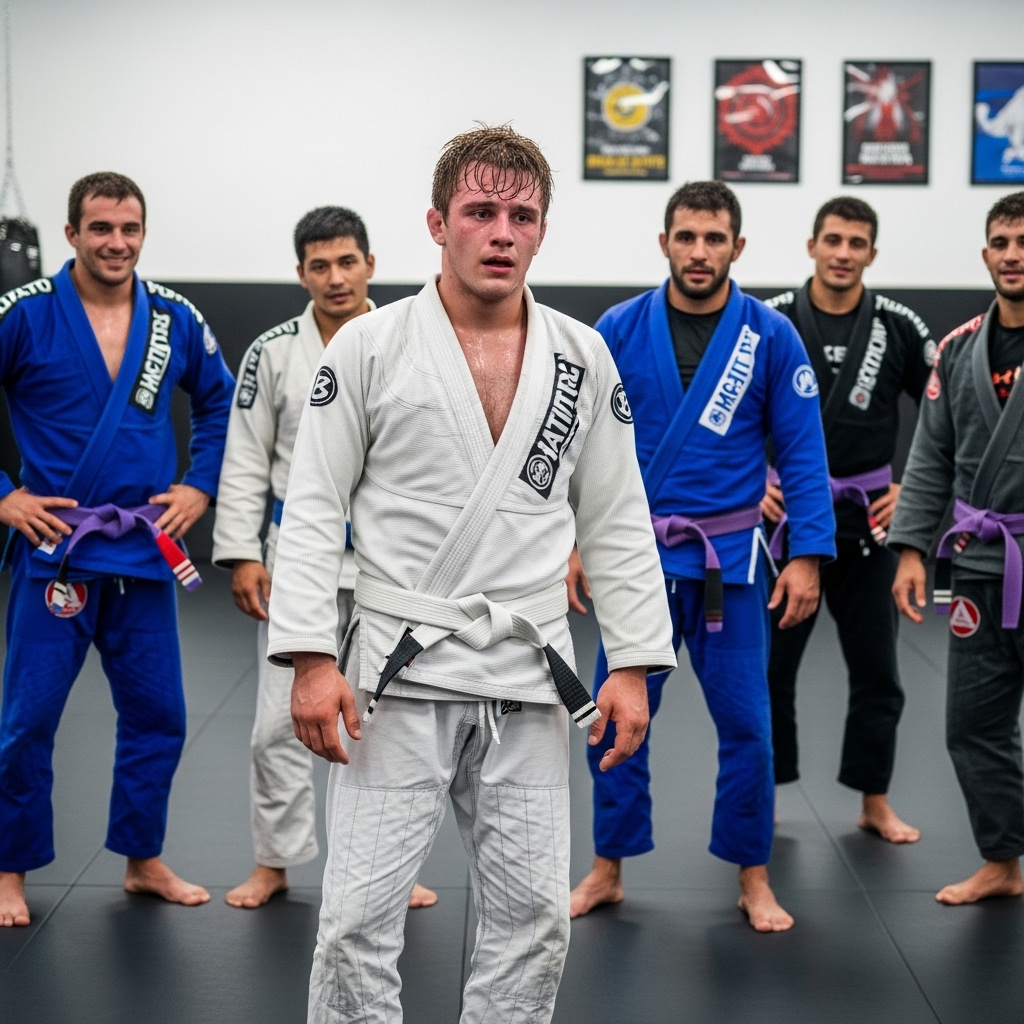
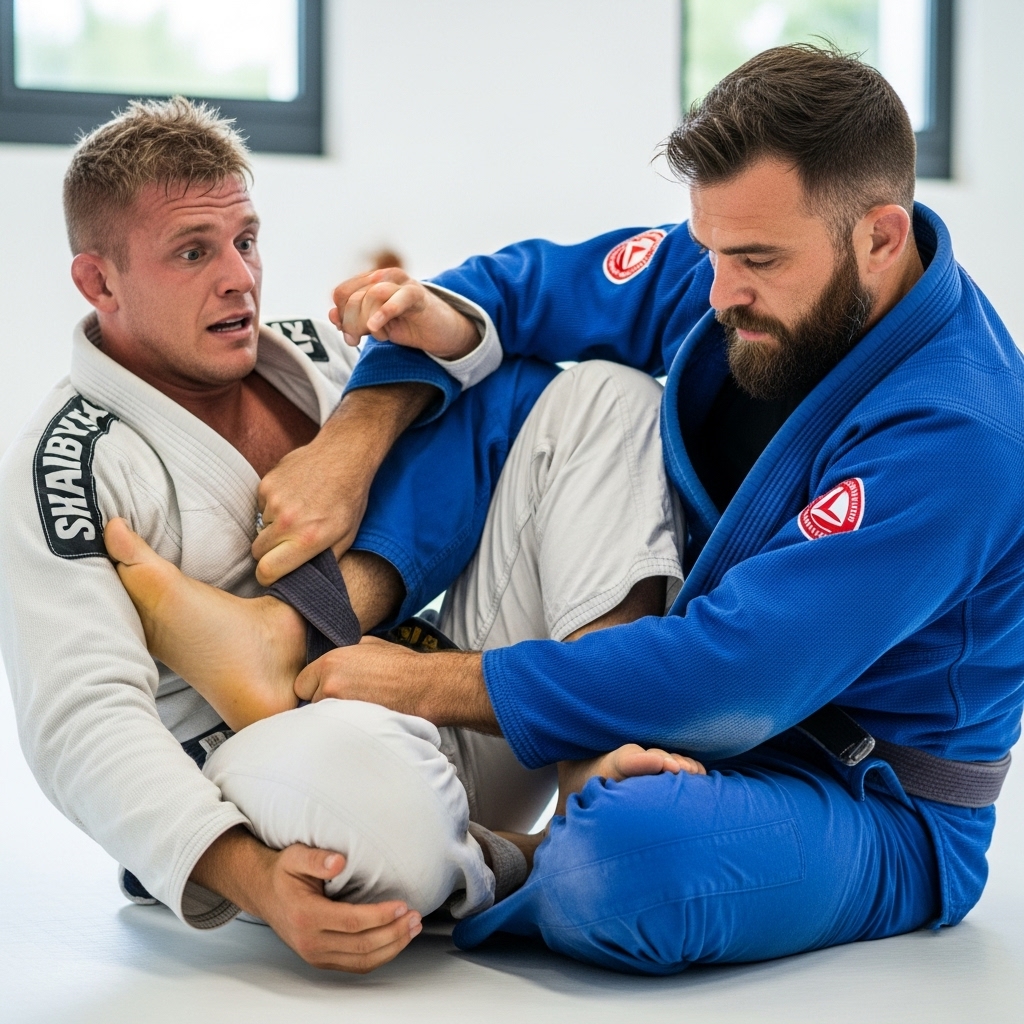
Instead, let’s embrace a proactive approach. When rolling with white belts, upper belts have an opportunity – indeed, a responsibility – to introduce leg locks in a structured and educational manner. This could involve:
Verbal Cues And Explanations: Talk them through the process, explaining what you’re doing and why. This transforms a potentially intimidating situation into a valuable learning experience.
Slow, Controlled Application: Demonstrate the entry and mechanics of a leg lock slowly, allowing the white belt to feel the pressure and understand the danger before it becomes painful.
Emphasis On Tapping Early: Reiterate the paramount importance of tapping at the first sign of discomfort or pressure, reinforcing safety above all else.
Teaching Basic Defenses: Show them how to escape or defend common leg lock entries, empowering them with knowledge rather than leaving them vulnerable.
We are not talking about cranking submissions for the tap, but rather providing a foundational understanding. By familiarizing white belts with the positions, entries, and the feeling of a leg lock threat, we equip them with crucial defensive instincts and a more holistic understanding of jiujitsu’s landscape. They learn to recognize danger, develop better positional awareness, and understand the importance of protecting their lower limbs – skills that will serve them throughout their jiu-jitsu journey.
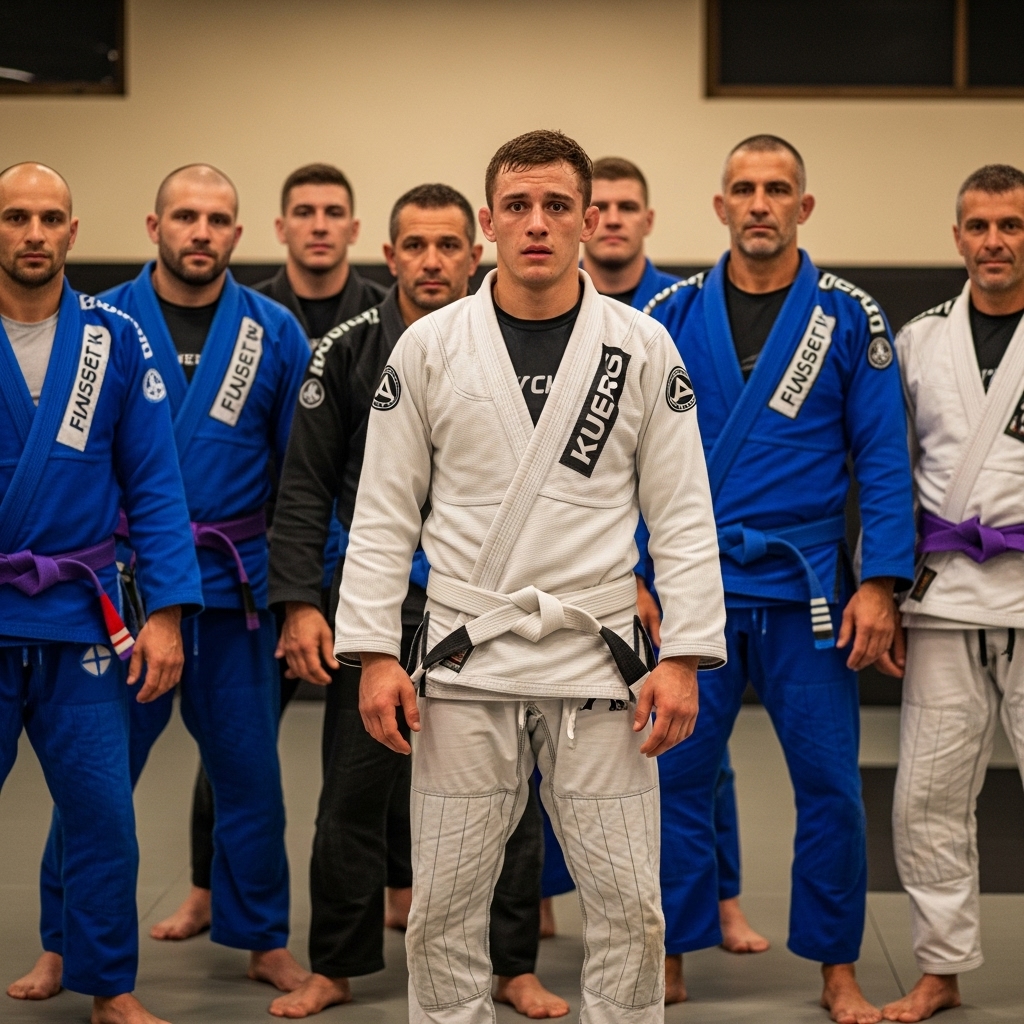
Ultimately, our role as upper belts is to guide and develop the next generation of practitioners. That means preparing them for the jiujitsu they will encounter, not the jiujitsu we wish for them to encounter. Let’s shed the outdated notion that leg locks are taboo for white belts and instead, integrate them responsibly into their training. It’s not just about protecting them; it’s about empowering them to grow into well-rounded, resilient, and knowledgeable jiu-jitsu practitioners.


